Medical Device Fun Facts Blind Box: Unlock Industry Jargon in 1 Minute a Day.
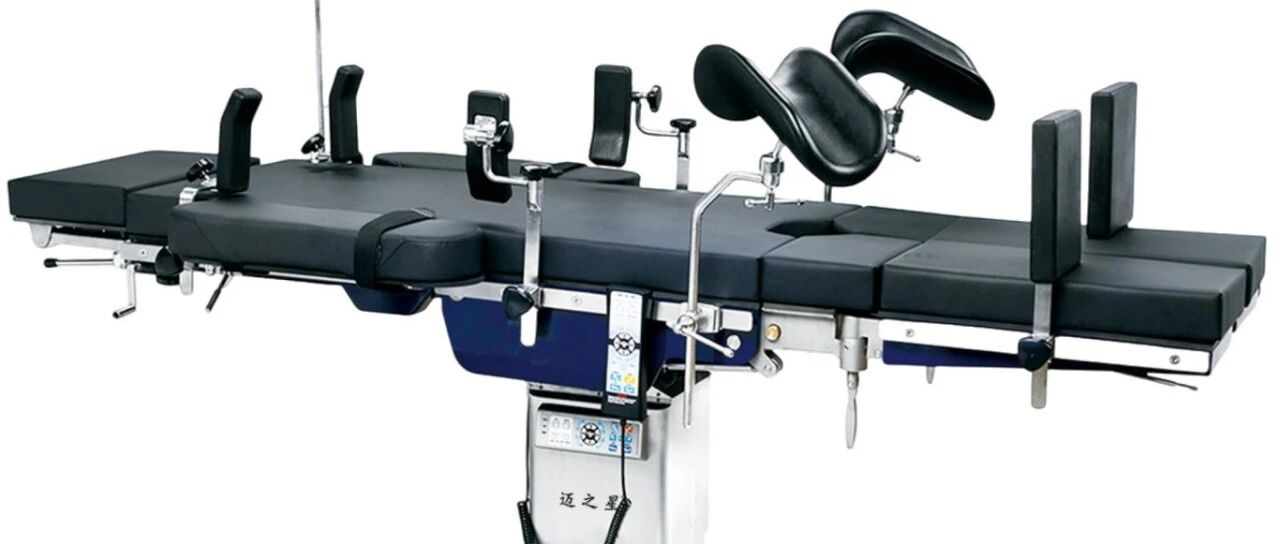
When a doctor says "put the patient on a ventilator" or "adjust the CVP," can you understand this kind of "medical jargon"? Behind medical devices lie countless industry codes — from operating room code words to the mystique of equipment parameters. This article unpacks some little-known "medical device cold-knowledge blind boxes" for you, offering a glimpse into the "Morse code" used by the angels in white.
01
The "Jargon Codebook" of the Operating Room
01
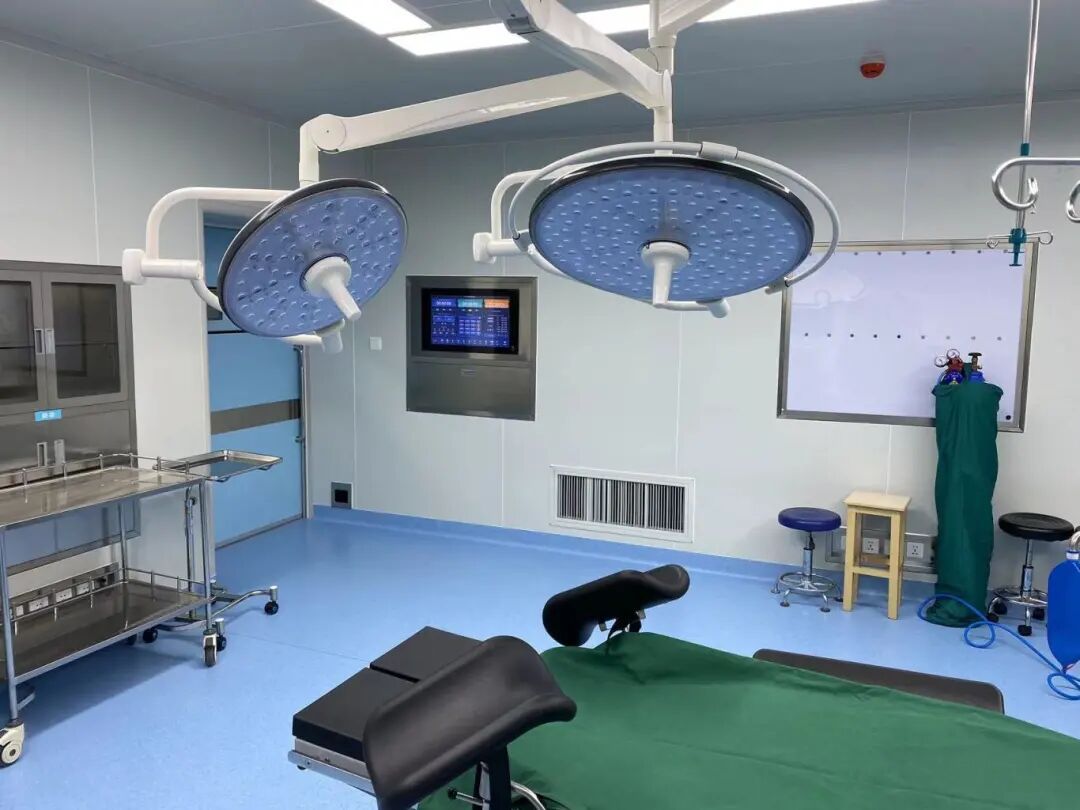
The "Invisibility Cloak" of a Laminar Flow Operating Room
When doctors talk about "laminar flow," they are not simply referring to air movement, but rather to a unidirectional vertical airflow system. The standard air velocity in a laminar flow operating room must reach 0.45 m/s. This design pushes suspended particles in the air out of the surgical zone at a velocity of 9.8 meters per second, effectively installing an invisible vacuum cleaner beneath the shadowless lamp.
02
The "Morse Code" on the Monitor
The numbers a nurse calls out — "BP 90/60, heart rate 110, SpO₂ 95%" — may seem like ordinary data, but they are actually early warning codes for vital signs:
- BP 90/60: may trigger a "shock alert" (requires immediate fluid resuscitation)
- SpO₂ 95%: if it drops below 93%, respiratory failure must be considered
- Heart rate 110: should be interpreted together with body temperature to determine whether septic shock is present³
- 02
"Jianghu Code Words" of Equipment Parameters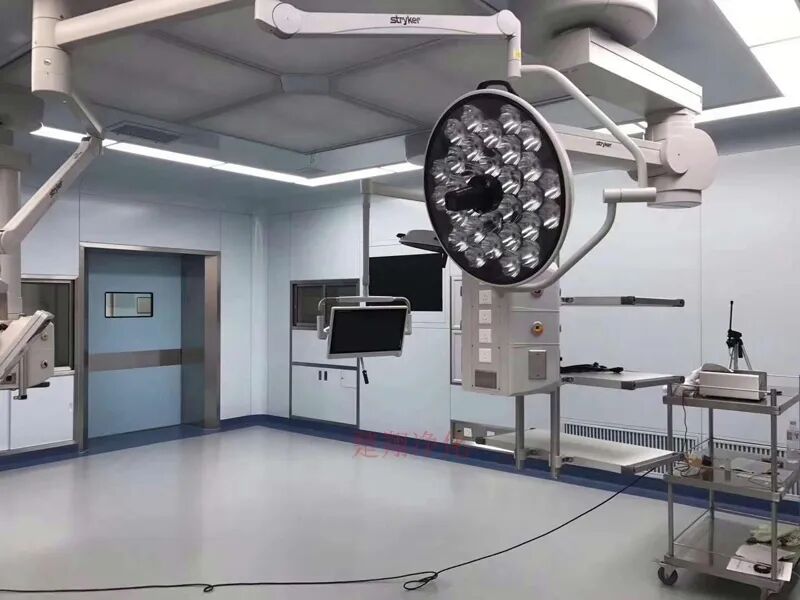 01
"Patient-Ventilator Dyssynchrony" of the Ventilator
Doctors often say "lower the patient's trigger sensitivity," but they are actually adjusting the pressure support level (PSV). When the PSV value exceeds 15 cmH₂O, the ventilator may "steal the show" and suppress the patient's spontaneous breathing, much like pressing the accelerator to the floor while the car is in neutral.
02
The "Blood Circuit Maze" of the Dialysis Machine
The "ultrafiltration rate" that engineers refer to is not simply water removal, but the amount of plasma water cleared per hour (unit: mL/h). When the ultrafiltration rate exceeds 10 mL/(kg·h), the patient may be forced to discontinue treatment due to hypotension, like drinking bubble tea through a straw — sucking too hard can make you choke.
03
A "Workplace Survival Guide" to Medical Jargon
01
"Price Codes" in the Procurement Department
"Volume-based procurement": In reality, it means "group-buying bargaining" — for example, cardiac stents dropped from 13,000 yuan to 700 yuan.
"DRG payment": Hospitals control costs by disease category, and any overspending is borne by the hospital itself, giving rise to a new profession of "itinerant surgeons."
"Zero markup on medical consumables": Hospitals no longer profit from selling consumables, forcing equipment procurement to focus on "equipment utilization rates."
02
Clinicians' "Equipment Lingo"
"Device compatibility": In reality, it means "vendor lock-in" — for example, a certain CT scanner can only use the original manufacturer's reconstruction software.
"Research needs": The subtext is "we need imported high-end equipment to publish SCI papers."
"Equipment depreciation": An excuse hospitals use to justify upgrading equipment under the guise of "reasonable wear and tear."
04
"Fun Fact Easter Eggs" of Medical Devices

01
The "Silent Alarm" of the AED
When the AED is analyzing the heart rhythm, an asterisk "*" displayed on the screen is not a malfunction, but rather indicates that a shock is being delivered. At this moment, if someone touches the patient, it may cause a secondary electric shock, like using a mobile phone during a thunderstorm.
02
The "Identity ID" of Surgical Instruments
Each surgical clamp has its own exclusive "ID card":
No. 01: Needle holder (for suturing blood vessels)
No. 15: Scalpel blade (specifically for skin incision)
No. 23: Right-angle clamp (for dissecting blood vessels)
What medical jargon have you heard in the hospital that sounds impressive but obscure? Reveal it in the comments section.
 扫码关注
Explore More Industry Insights.