From "Traditional" to "Intelligent": How Does the Digital Operating Room Reshape Surgical Processes?
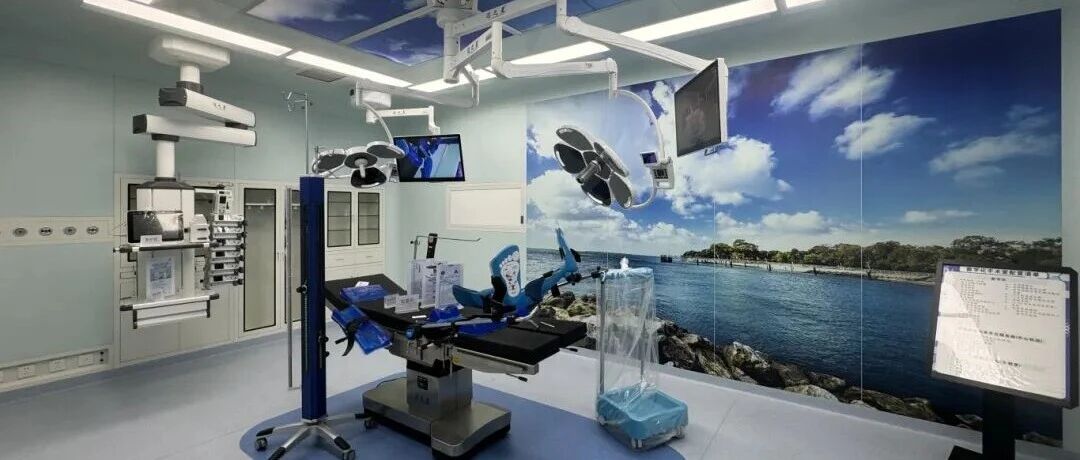
At a time when medical technology is advancing rapidly, the operating room is undergoing a profound transformation from traditional models to digitalization and intelligence. This transformation not only improves the efficiency and quality of surgery, but also provides a more solid guarantee for patient health. Today, let us delve into the digital operating room and see how it reshapes surgical processes, bringing new vitality and energy to the healthcare industry.
Pain Points of the Traditional Operating Room: The Dual Dilemma of Time and Information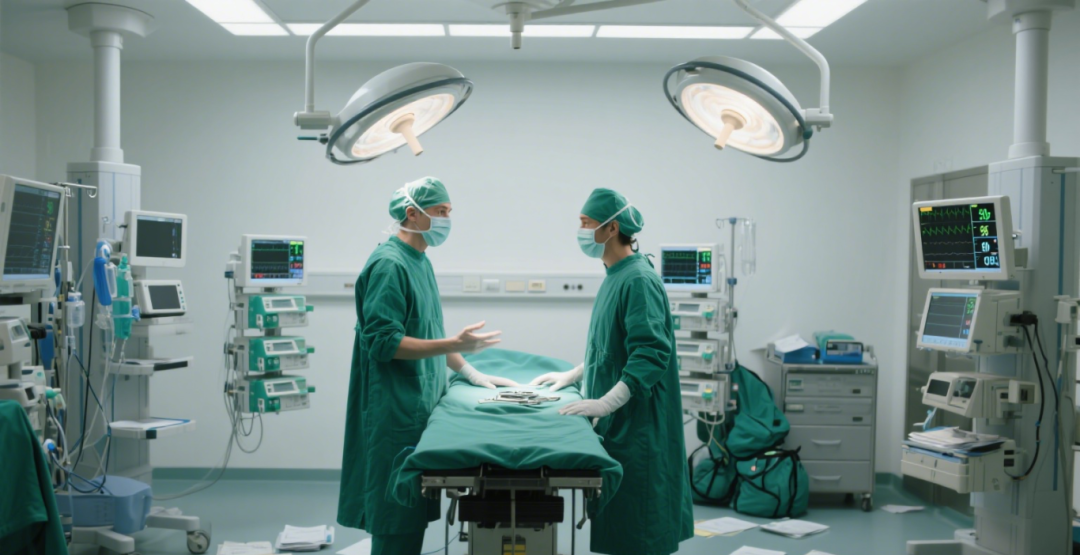
Traditional operating rooms have many pain points in terms of time costs and information flow. During the surgical preparation stage, medical staff must manually collect patient medical records, imaging data, and other information, switching between different systems to search, which consumes a great deal of time. For example, a survey conducted in a Grade A tertiary hospital found that the average preparation time for surgery in a traditional operating room was as long as one hour, of which about 30 minutes were spent on information collection and organization. Moreover, because information is scattered across various paper medical records and systems in different departments, omissions or errors are highly likely to occur, affecting the formulation of surgical plans.
During surgery, information communication is also not smooth. In traditional operating rooms, communication among medical staff, anesthesiologists, and instrument nurses relies mainly on verbal exchanges. In emergency situations, information transmission may be subject to errors. In complex surgeries such as cardiac procedures involving coordination among multiple departments, poor communication can lead to delays or mistakes in surgical operations. In addition, equipment in traditional operating rooms lacks effective coordination. For example, anesthesia machines, monitors, and surgical instruments operate independently, requiring medical staff to pay attention to parameters on different devices separately, making it impossible to centrally integrate and efficiently utilize information.
Core Functions of the Digital Operating Room: Breaking Traditional Barriers
Real-Time Surgical Imaging Transmission for Boundless Vision
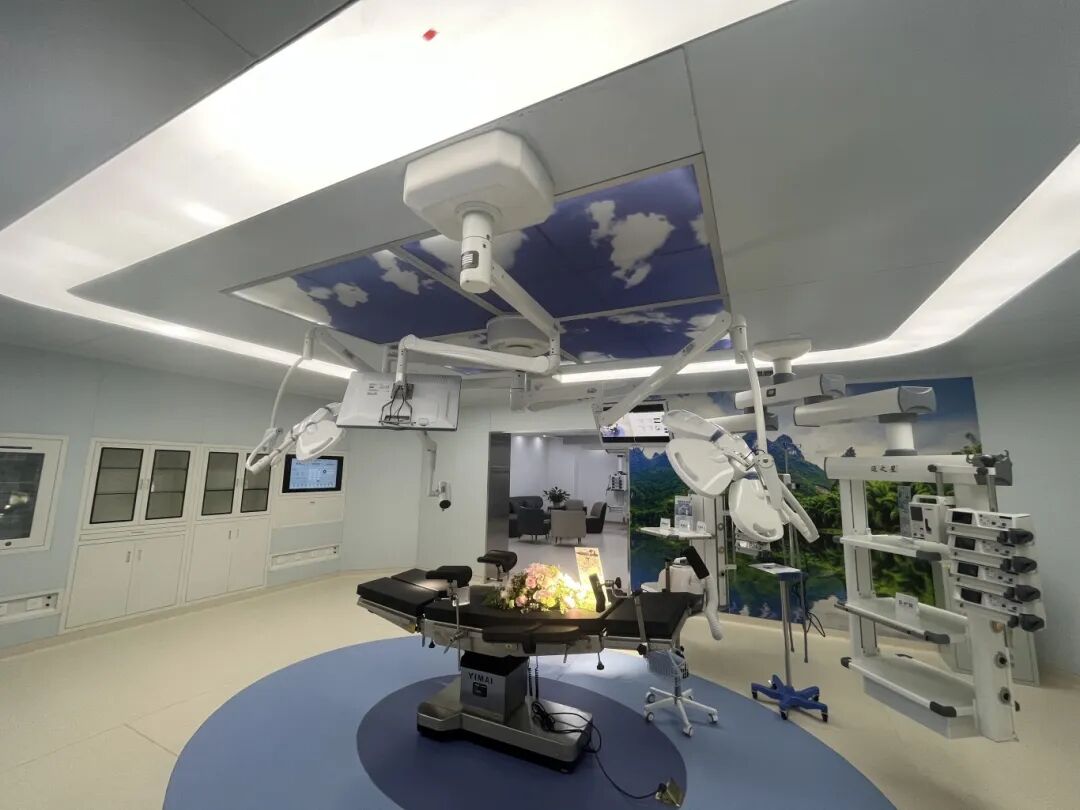
The digital operating room is equipped with advanced image acquisition and transmission systems that can transmit high-definition surgical video in real time to various displays within the operating room as well as to remote consultation centers. In a neurosurgical procedure at a large general hospital, the real-time imaging transmission capability of the digital operating room allowed the chief surgeon to clearly display subtle lesions under the microscope on a large screen in the operating room, enabling assistants and the anesthesiologist to stay informed of the surgical progress simultaneously. At the same time, neurosurgery experts located off-site were able to watch the surgical video in real time through the teleconsultation system and provide guidance to the surgical team, greatly improving the success rate of the operation. According to statistics, the success rate of complex neurosurgical procedures increased by approximately 15% after the introduction of this feature.
Multi-Device Collaborative Operation to Improve Surgical Efficiency

The digital operating room enables collaborative operation of various devices in the operating room. Through the central control system, medical staff can centrally control the operating table, shadowless lamp, anesthesia machine, monitor, and other equipment on a single operation interface. For example, in orthopedic surgery, when the patient's position needs to be adjusted, the chief surgeon only needs to click the corresponding button on the surgical information workstation, and the operating table will automatically adjust to the appropriate angle. At the same time, the position and brightness of the shadowless lamp will also be automatically optimized to ensure that the surgical field remains clear throughout. This function not only saves time for medical staff in operating equipment but also reduces surgical risks caused by improper equipment handling. According to feedback from partner hospitals, the average duration of orthopedic surgery has been shortened by approximately 20 minutes after the introduction of the digital operating room.
Real-World Case: Transformation of a Tertiary Hospital
After a tertiary hospital introduced our company's digital operating room system, its surgical workflow was significantly optimized. Preoperative preparation time was greatly reduced. Through automatic integration and intelligent push of patient information, medical staff were able to obtain comprehensive and accurate patient data within minutes, cutting preoperative preparation time by 30%. In a complex hepatobiliary surgery, the surgical team used the multi-device collaborative function of the digital operating room to precisely control the surgical rhythm. During the operation, the anesthesiologist monitored the patient's vital signs in real time through the surgical information workstation and adjusted the depth of anesthesia in a timely manner according to the chief surgeon's actions; the instrument nurse accurately understood the progress of the operation through the system and prepared the required instruments in advance. The entire surgical process proceeded smoothly. Compared with traditional surgical methods, the duration of this operation was shortened by approximately 30 minutes, and the patient's postoperative recovery time was also significantly reduced.
Real Voices from Medical Staff
Let's listen to what they have to say.
"The digital operating room is like equipping us with an intelligent assistant. In the past, preparing for surgery was like looking for a needle in a haystack when searching for information. Now, all the information can be accessed with one click. It is so convenient!" said Director Li, a surgeon at a hospital, with emotion.
Dr. Wang from the Department of Anesthesiology also said: "The collaborative control of various devices during surgery has made my work much easier. I can focus more on the anesthesia management of patients and ensure surgical safety."
These genuine feedbacks from frontline medical staff fully demonstrate the tremendous advantages of the digital operating room in improving surgical efficiency and ensuring medical safety.
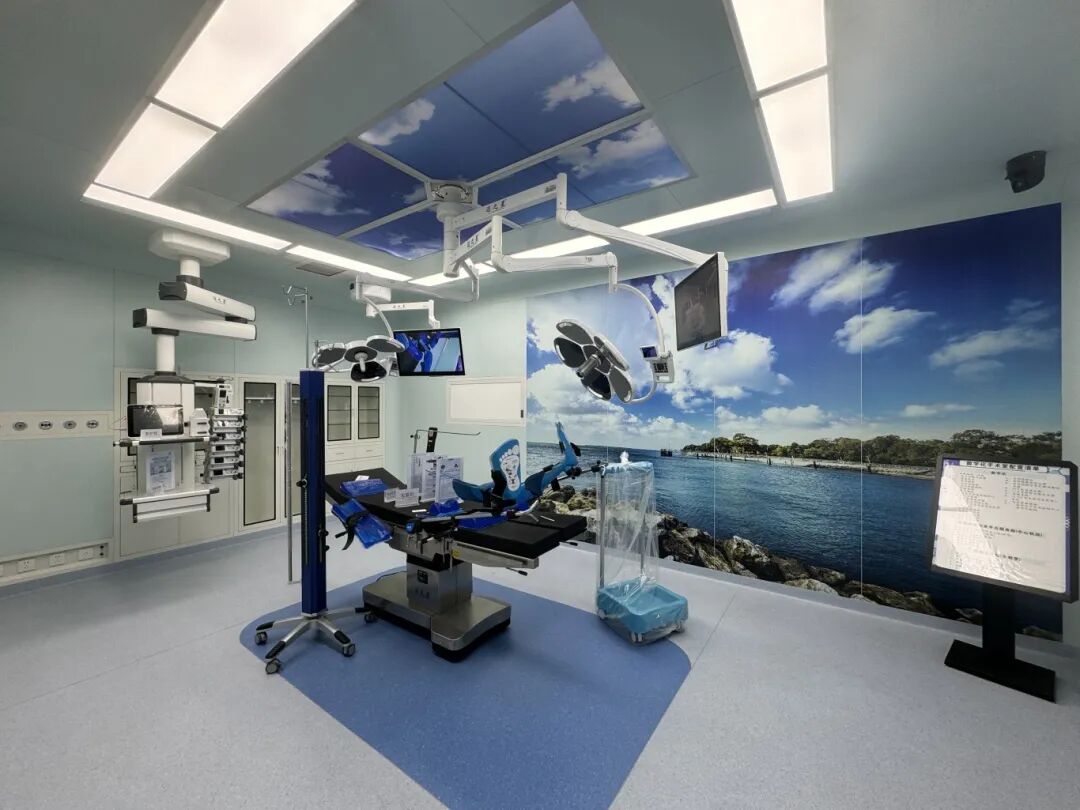 The digital operating room is reshaping traditional surgical workflows with its powerful functions and remarkable results, bringing unprecedented transformation to the healthcare industry. In the future, we believe the digital operating room will continue to evolve, delivering higher-quality and more efficient medical services to patients. Dear readers, what other functions do you think an intelligent operating room should have? Feel free to share your thoughts in the comment section, and let us envision the future of medical technology together! Follow us.

Scan the QR code to follow us.